How Custom Website Development Creates Personalized Websites That Convert
Asanka Udawatte
Digital Growth Director
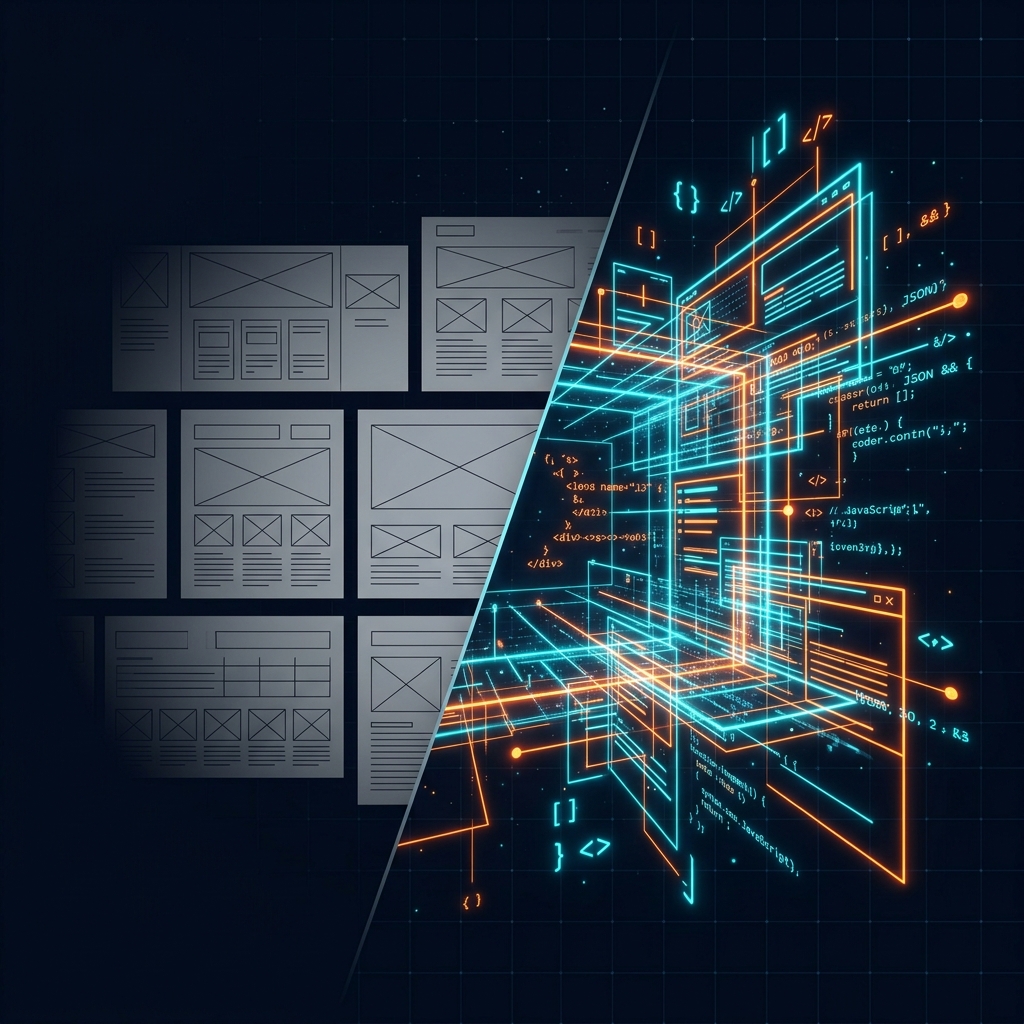
If you've ever landed on a website and thought "this feels like it was made for me," that's not an accident. That's custom website development at work. It's the difference between a business that picked a template off a shelf and one that built something around its actual customers. And for small businesses, hotels, online shops, and anyone trying to stand out online in 2026, that difference shows up directly in the numbers: more visitors staying longer, more people booking, more carts turning into sales.
This article walks through what custom development really means, why the process behind it matters more than people expect, and how a website built specifically for your brand ends up converting better than a generic one ever could.

What custom website development actually means
A template site starts with someone else's design. You pick a layout, swap in your logo and colors, and hope it fits. It usually doesn't, not perfectly.
Custom website development flips that order. A developer starts with your business, your customers, and your goals, then builds the site around those. Nothing is forced into a pre- made box.
That doesn't mean every custom project starts from a blank screen. Good developers reuse proven code patterns and components. What makes it custom is that every decision, from the layout to the checkout flow, gets made for your specific business rather than borrowed from a generic theme.
Here's what typically separates the two approaches:
- Templates: fast to launch, cheap upfront, but limited once you need something the theme wasn't built for.
- Custom builds: take more planning, but scale with you and rarely need to be torn down and rebuilt later.
- Templates: shared design elements across thousands of other sites using the same theme.
- Custom builds: a look, structure, and user flow that belongs only to you.
For a hotel with a complex booking calendar or a shop with unusual shipping rules, a template often can't keep up. That's usually the moment businesses start looking for a proper web app development service instead of another quick theme fix.
Why the discovery process shapes everything
Before any code gets written, a good custom website developer spends time asking questions most agencies skip. What does your typical customer actually search for? What makes someone book your hotel over the one three doors down? Where do people usually drop off when they try to buy from you now?
This is called the discovery phase of the custom website development, and it's the part most template-based projects skip entirely.
During discovery, a developer looks at your competitors, studies how your current visitors behave, and talks to you directly about what's working and what isn't. That research becomes the blueprint. The homepage layout, the wording on your buttons, even the order of your navigation menu all get shaped by what your specific audience responds to.
Skip this step, and you get a site that looks nice but doesn't really speak to anyone. Include it, and the site starts feeling less like a digital brochure and more like a conversation with the exact people you're trying to reach.
This is also where a business's personality gets built into the site itself. A boutique tour operator in Sri Lanka and a B2B software company need completely different tones, layouts, and calls to action, even if both need a booking form. Discovery is what makes sure the final product actually matches the business asking for it.
Why personalized websites convert better
Generic sites ask visitors to do the adjusting. Personalized websites do the adjusting themselves.
Think about the last time you visited a site that felt cluttered or confusing. You probably left within seconds. Studies on user behavior consistently show that visitors form an opinion about a site in under a second, and that first impression heavily influences whether they stay or bounce.
A personalized website removes friction at every step:
- The messaging speaks directly to the visitor's actual problem, not a vague version of it.
- The path to booking, buying, or contacting you has as few clicks as possible.
- The design reflects trust signals your specific audience actually cares about, whether that's reviews, certifications, or local familiarity.
When businesses build custom websites around these details, the results tend to show up quickly. A tourism site that highlights real guest photos and local experiences converts better than one using stock images. An e-commerce store with a checkout built around its actual product catalog, rather than a one-size-fits-all cart plugin, loses fewer sales at the final step.
How a personalized website actually helps your business
Beyond conversions, a website built specifically for you tends to solve problems you didn't know were costing you time and money.
Manual processes are the highest hidden cost for growing businesses. Booking forms that need manual confirmation, inventory that has to be updated by hand across three spreadsheets, customer questions that all land in one overflowing inbox. A product of proper custom website development can automate most of that.
This is where the line between a "website" and a real business tool starts to blur. A well- planned web app development service doesn't just give you pages to look at. It gives you a system: automated confirmations, live inventory syncing, dashboards that show you what's actually happening in your business without opening five different tools.
We at Stackunleash get that this is the core of what gets built for clients across tourism, retail, and service industries. Rather than stopping at a nice-looking front end, the team builds using modern tools like Next.js, Supabase, and n8n to connect the website to the actual operations behind it, cutting manual work by 70 to 80 percent in many cases. A hotel's booking site can talk directly to its calendar. An online shop's product page can update itself when stock changes. That's the kind of groundwork that turns a static site into something that actually runs part of your business.
Final thoughts
Choosing custom website development isn't just a design decision. It's a business decision. Businesses that build custom websites around their real customers, rather than settling for a generic template, tend to see better engagement, fewer drop-offs, and systems that keep working as they grow.
If you're weighing whether to hire a custom website developer or stick with a template, ask yourself one question: does your current site actually reflect how your business runs, or is it just something you're managing around? For growing businesses, tourism brands, and online stores that need more than a pretty homepage, the answer usually points toward custom development, built with discovery, strategy, and the right technology from day one.
Ready to Unleash Your Operations?
We build customized database portals, Next.js web applications, and n8n AI workflows that cut manual tasks by 70–80%.
Schedule a Free Strategy Call